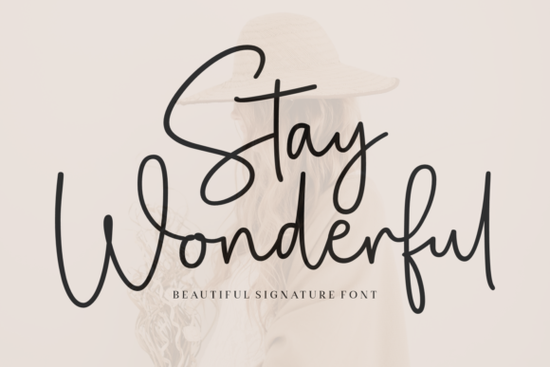
If you are looking for a light, handwritten typeface that feels personal without overwhelming your layout, Stay Wonderful Font is worth a close look. Its thin strokes and gently rounded letters give it a quiet confidence that works well on everything from wedding invitations to product packaging. Designers and crafters often choose delicate scripts like this when they want a human touch that still reads clearly at smaller sizes.
What makes a thin handwritten font work for everyday projects?
Delicate scripts succeed when they balance personality with readability. The letterforms in this typeface are carefully spaced, which prevents the thin lines from disappearing on textured paper or fabric prints. When you are designing for print-on-demand items like mugs, tote bags, or stickers, a lighter weight helps your artwork feel airy and modern. I usually recommend testing the font at both headline and caption sizes before finalizing a layout. If the characters hold their shape at 12 points and still look intentional at 48 points, you have a reliable workhorse for daily client requests.
Where does this style fit best in print-on-demand and crafting?
Small business owners and hobbyists often ask which products actually benefit from a handwritten aesthetic. The answer usually comes down to context. This particular script shines on items that need a soft, approachable vibe. Think custom greeting cards, boutique candle labels, nursery wall art, and digital planners. Consistent typography helps customers recognize your brand at a glance. If you enjoy experimenting with different moods, you might also browse a collection of casual handwriting styles to see how slight variations in slant and stroke width change the overall feel. For seasonal drops, pairing a delicate script with a sturdy sans serif keeps your listings looking fresh without requiring a full rebrand.
How do I pair a delicate script with other typefaces?
Pairing fonts is less about strict rules and more about contrast. A thin handwritten face needs a grounded partner so the design does not feel floaty. I typically match it with a medium-weight geometric sans or a clean slab serif for body copy. Keep the script for titles, short quotes, or signature-style accents, and let the secondary font handle longer paragraphs. Test your combinations on actual mockups rather than a blank canvas. Sometimes a playful display option works better for bold headers, while your delicate script takes care of the finer details. Remember to check kerning manually on words with overlapping letters, since thin strokes can create awkward gaps if left on automatic settings.
What should I check before downloading a new script font?
Run through a quick compatibility check before adding any typeface to your workflow. Verify that the file includes the formats you actually use, such as OTF and TTF for desktop design software, and WOFF if you plan to embed it on a website. Check the character set for essential glyphs, especially punctuation, ampersands, and numerals. Licensing is another practical step. Make sure the terms cover your intended use, whether that is personal crafting, client work, or commercial print-on-demand sales. I always compare a few options side by side. You might notice how a bold marker-style alternative creates a completely different energy, or how a rounded decorative choice leans more playful. If you need something strictly for educational materials or worksheet design, a clean classroom-friendly pick will usually serve you better than a highly stylized script.
Preview the full character set and test custom phrases before committing. I usually type out my most common project words to see how the connections flow. If you want to explore how Stay Wonderful Font handles longer sentences, the live preview tool will save you time during the selection phase.
Before you start your next layout, run through this quick setup checklist:
- Install both OTF and TTF files and restart your design software to avoid missing glyph errors.
- Test the font at 14pt, 24pt, and 48pt to confirm stroke visibility on your intended print material.
- Turn on optical kerning for headlines, then manually adjust overlapping letters like r, v, and y.
- Pair the script with a neutral sans serif for body text to maintain reading comfort.
- Verify your license covers commercial sales if you plan to list finished products on Etsy or Shopify.
Keep a dedicated folder for your favorite handwritten typefaces, label them by mood and weight, and you will cut your design time in half on future projects.
Explore Design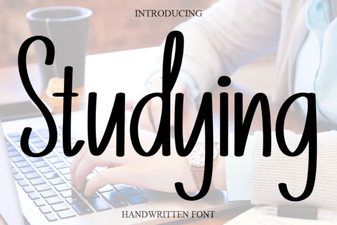 Best Fonts for Studying and Effective Learning Materials
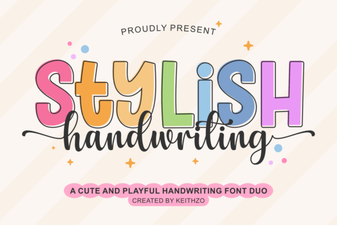 Find the Perfect Stylish Font for Your Creative Projects
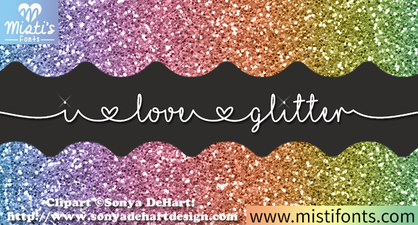 Spark Your Designs with Glitter Font Creativity
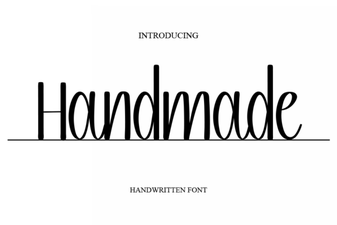 Creative Projects Using Handmade Fonts
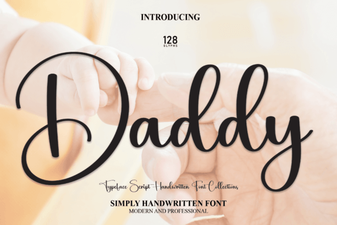 The Daddy Font Style Guide for Creative Projects
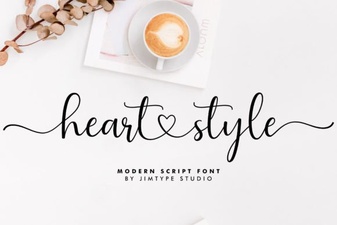 Heart-Style Fonts for Your Creative Design Projects