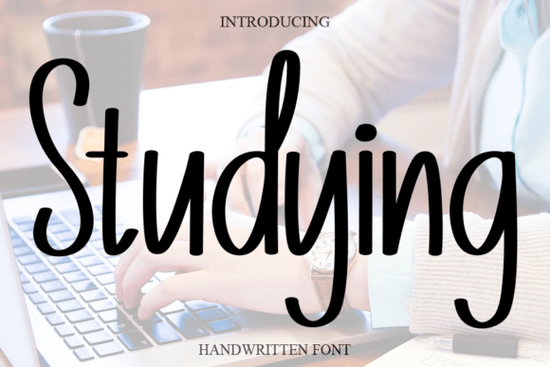
If you need a typeface that feels personal without looking messy, Studying Font delivers exactly that. It is a soft, cursive handwritten style that keeps letters connected and flowing, making it easy to read even at smaller sizes. Designers, crafters, and print-on-demand sellers often look for script typefaces that balance elegance with a relaxed vibe, and this one fits that gap nicely. Whether you are laying out wedding invitations, designing boutique logos, or creating casual social media graphics, the gentle strokes add a warm, human touch without overwhelming the rest of your layout.
What makes this handwritten typeface stand out for everyday projects?
The letterforms are drawn with a consistent baseline and smooth curves, which means you will not have to manually adjust kerning every time you type a headline. The lowercase characters carry a natural rhythm, while the uppercase letters stay restrained enough to pair well with body text. If you regularly browse collections of hand-drawn script styles, you will notice how this design avoids the overly decorative swashes that often cause printing or cutting issues. It also scales cleanly from business card dimensions to large poster formats. For creators who want a reliable cursive option that prints sharply on cardstock, vinyl, and fabric, this particular lettering set keeps production straightforward and predictable.
Where does a soft cursive script work best?
This style shines when you want a design to feel approachable but still polished. Wedding suites, baby shower announcements, and boutique packaging all benefit from the romantic yet casual tone. Print-on-demand sellers use it on tote bags, mugs, and apparel where a friendly signature look helps products stand out in crowded marketplaces. Small business owners often apply it to thank-you cards, price tags, and Instagram story templates because it reads quickly on mobile screens. If you prefer scripts with a slightly bolder presence for seasonal campaigns, you might also explore thicker handwritten alternatives that hold up well on dark backgrounds. For projects that need a subtle decorative accent, pairing this font with playful symbol typefaces can give your layout a light, festive finish without cluttering the page.
How do you pair and format it without losing readability?
Script typefaces work best when they carry the visual weight of a headline or a short phrase. Keep your main message in the cursive style, then switch to a clean sans-serif or a simple serif for longer paragraphs. Line height matters more than you might expect; give the letters room to breathe so the descenders and ascenders never collide. When working with cutting machines or heat transfer vinyl, convert your text to outlines and check for overlapping paths before sending the file to production. If you are designing glitter or foil accents, test how the thin strokes render on your chosen material. Some creators combine delicate scripts with decorative display lettering to create contrast between smooth curves and textured finishes.
What should you check before adding it to your toolkit?
Always verify the license type before using any typeface for commercial products. Most marketplace fonts include a standard commercial license, but print-on-demand platforms and trademarked branding sometimes require an extended or app-specific license. Check that the download contains the file formats you actually need, such as OTF, TTF, and WOFF for web use. Install the font on your system, restart your design software, and run a quick test print at the exact size you plan to use. If you want to compare pricing, read user reviews, or grab the latest update, you can search for Studying Font directly on the marketplace.
Quick setup checklist before you publish:
- Confirm the license covers your intended use, especially for POD or client branding.
- Test print at 100% scale on your final material to check stroke thickness and spacing.
- Pair the script with a neutral sans-serif for body copy to keep reading smooth.
- Convert text to outlines before sending files to cutters, printers, or web developers.
- Save a style guide note with your chosen size, tracking, and line height for future projects.
Run through these steps, and your layout will look polished on the first draft instead of the fifth.
Learn More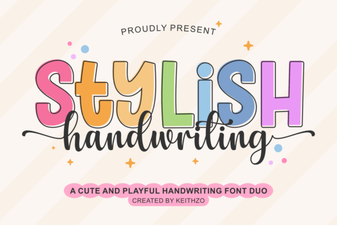 Find the Perfect Stylish Font for Your Creative Projects
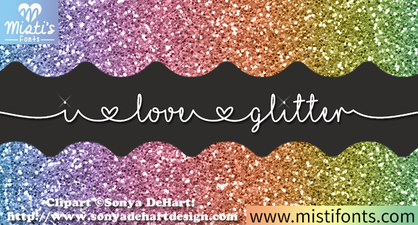 Spark Your Designs with Glitter Font Creativity
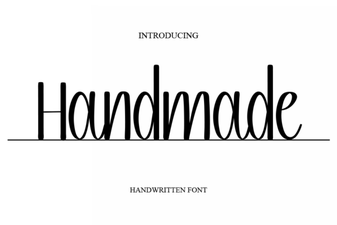 Creative Projects Using Handmade Fonts
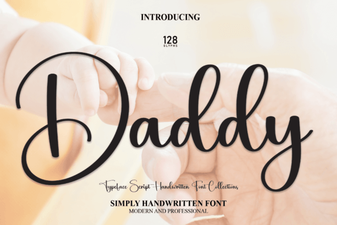 The Daddy Font Style Guide for Creative Projects
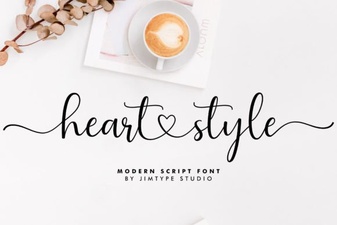 Heart-Style Fonts for Your Creative Design Projects
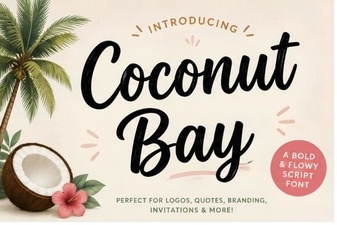 Coconut Bay Font: Creative Designs for Seaside Projects