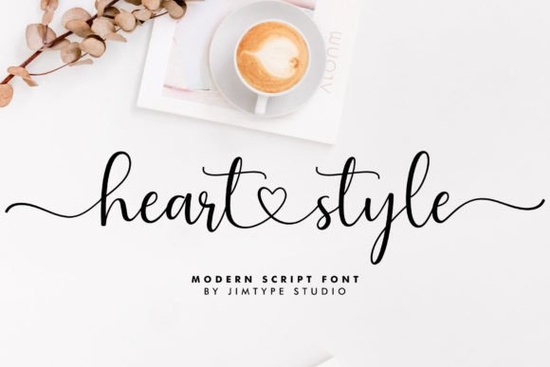
If you are looking for a handwritten script that feels both romantic and readable, Heart Style Font delivers exactly that. It is a flowing, brush-style typeface built for projects where warmth and personality matter most. Designers, crafters, and small business owners often choose this kind of lettering for wedding invitations, boutique logos, and print-on-demand products that need a soft, handcrafted touch.
What makes this script font work for wedding designs?
Wedding stationery relies on clear hierarchy and gentle curves. This font balances sweeping ascenders with clean baseline alignment, which means your names and dates stay legible even at smaller sizes. The natural stroke variation mimics real calligraphy without the uneven spacing that often plagues decorative typefaces. When you set it at 18–24 pt for headings and pair it with a simple sans serif for details, the layout breathes. I usually recommend testing a full invitation suite first: save-the-dates, RSVP cards, and menu placeholders. If the letters connect smoothly across different words, you know the kerning will hold up in print.
Can I use it for branding and small business logos?
Yes, but with a few practical adjustments. Script fonts work best as the primary wordmark when your brand leans into handmade, floral, or lifestyle aesthetics. Keep the logo to one or two words, increase the tracking slightly, and avoid stacking too many lines. For boutique packaging or social media headers, this lettering adds a personal signature feel without looking overly ornate. If you want to explore other handwritten options for mood boards, you might also browse a soft cherry-inspired script or a clean study-themed typeface to compare stroke weight and spacing. When you need to see how this style fits into a broader library of romantic lettering, reviewing similar families helps you plan a consistent visual identity.
How do I pair it with other typefaces?
Pairing is where most projects succeed or stall. The rule of thumb is contrast: let the script carry the emotion, and let a neutral font handle the information. A light geometric sans or a classic serif works well for body text, addresses, and fine print. When you are building a brand kit or a wedding template, limit yourself to two fonts total. Too many decorative styles compete for attention. If you need a playful accent for stickers or gift tags, a glitter-style handwritten font can add sparkle without overwhelming the main design. For a more relaxed, coastal vibe, some creators swap in a tropical brush script for secondary headings.
What file formats and licenses should I check?
Before you download, verify that the package includes OTF and TTF files. These formats install cleanly on Windows and Mac, and they work inside Canva, Illustrator, Photoshop, and Cricut Design Space. If you plan to sell physical or digital products, read the commercial license carefully. Most marketplace licenses cover small-batch sales, but print-on-demand platforms and large retail runs sometimes require an extended or POD-specific license. Always keep a copy of your receipt and license terms in your project folder. You can review the latest licensing details and grab the Heart Style Font directly from the official marketplace.
Why does spacing matter more than swirls?
Decorative scripts often fail because of tight kerning or overlapping ascenders. This typeface keeps consistent side bearings, which reduces manual adjustment time. When you type out long phrases, watch how the “f,” “g,” and “y” tails interact with the next line. Add 1.2 to 1.4 line height for body copy, and increase it to 1.6 for all-caps secondary text. If you are cutting vinyl or heat transfer material, convert the text to outlines first and run a quick weld check. Clean paths mean fewer weeding headaches and sharper results on tote bags, mugs, and wedding favors.
Quick setup checklist before you export:
- Install both OTF and TTF versions, then restart your design software.
- Test a full sentence at 12 pt, 18 pt, and 36 pt to check readability.
- Pair with one neutral sans or serif, and lock the combination in your template.
- Verify commercial or POD license terms if you plan to sell the final product.
- Convert to outlines and inspect overlapping paths before cutting or printing.
Keep a small style sheet with your chosen sizes, tracking values, and color codes. It saves hours when you move from invitations to thank-you cards or from logo drafts to packaging labels.
Download Now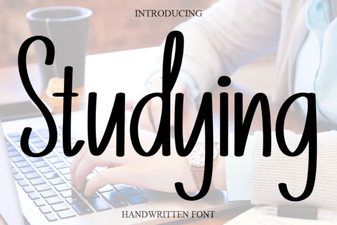 Best Fonts for Studying and Effective Learning Materials
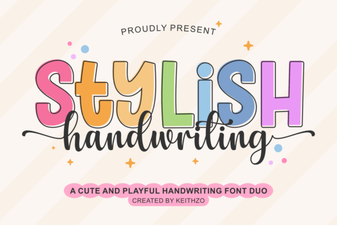 Find the Perfect Stylish Font for Your Creative Projects
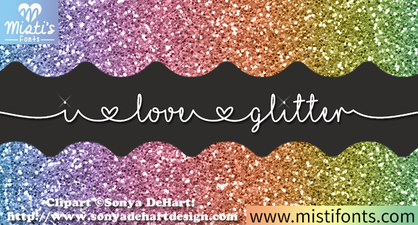 Spark Your Designs with Glitter Font Creativity
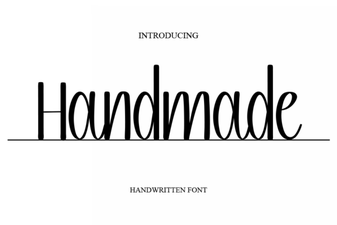 Creative Projects Using Handmade Fonts
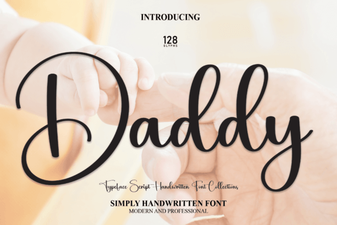 The Daddy Font Style Guide for Creative Projects
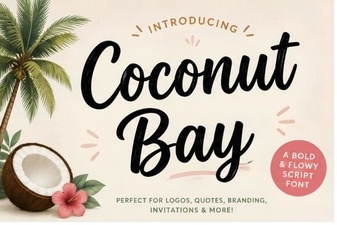 Coconut Bay Font: Creative Designs for Seaside Projects