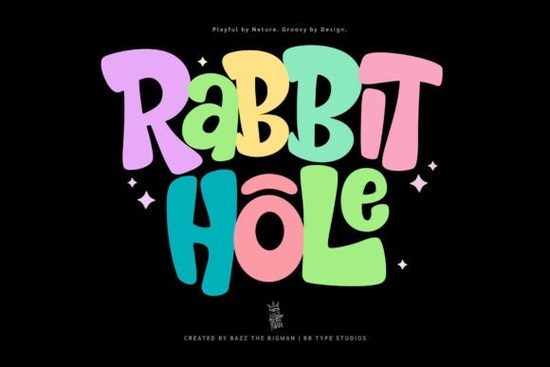
If you are looking for a typeface that feels both nostalgic and full of personality, Rabbit Hole Font delivers exactly that. This bold display font mixes a lively retro aesthetic with an organic, hand-drawn rhythm that works especially well for children’s products, playful branding, and eye-catching merchandise. Instead of rigid geometric shapes, the letterforms carry a natural bounce that keeps your layout feeling fresh and approachable.
What makes this display typeface stand out for creative projects?
The charm of this lettering style comes from its intentional imperfections. Each character has a slightly uneven baseline and rounded edges that mimic the warmth of vintage signage. That organic structure gives your designs a human touch without sacrificing readability. When you are building a brand identity or laying out a product label, you want typography that grabs attention quickly but still feels friendly. This font balances heavy strokes with open counters, so the text remains clear even at smaller sizes.
For designers who regularly experiment with different moods, it helps to keep a few reliable alternatives on hand. You might pair this style with weathered lettering options when you need a more rugged finish, or switch to classic athletic type styles for school-themed apparel. Having a small library of complementary display fonts saves time when project directions shift.
Which design formats work best with a playful retro style?
Bold character sets like this one thrive in spaces where visual hierarchy matters. Think about projects that need a strong focal point without relying on heavy graphics. Here are a few formats where the typeface consistently performs well:
- Print-on-demand apparel: Short phrases and kid-friendly slogans look great centered on tees and tote bags.
- Packaging and labels: The rounded edges soften product boxes and sticker sheets while keeping the brand name readable.
- Event posters: Large headlines pop against simple backgrounds, especially when you leave plenty of white space.
- Social media graphics: The lively rhythm translates well to vertical formats where quick scrolling demands instant interest.
If your project leans toward gentle messaging, you might also browse friendly handwritten alternatives to balance out heavier headlines. For seasonal campaigns that need extra brightness, bright summer-inspired letterforms can add a lighter accent without competing for attention.
How do you pair a bold character set without overwhelming your layout?
Display fonts are meant to lead, not to carry every line of text. Use this typeface for headlines, short taglines, or single-word emphasis, then switch to a clean sans serif for body copy. Keep your color palette restrained so the lettering remains the focal point. A two-tone scheme or a muted background with high-contrast text usually works best.
Spacing matters just as much as font choice. Increase the tracking slightly on all-caps words to improve legibility, and avoid squeezing lines too tightly. When designing for merchandise or children’s books, test your layout at actual print size before finalizing. What looks crisp on a monitor can lose detail once it hits fabric or matte paper. If you ever need a more exaggerated energy for comic-style layouts, bold cartoon-style typefaces can fill that specific niche while keeping the overall design cohesive.
What should you check before adding it to your design toolkit?
Before you commit to any new typeface, run through a quick practical review. Make sure the file format matches your software requirements, usually OTF or TTF for desktop use, and verify that the license covers your intended projects. Some creators need commercial rights for online shops, while others only require personal use for hobby crafting. Check whether the font includes punctuation and multilingual support if your audience spans multiple regions.
You can explore the full character set and licensing details for Rabbit Hole Font directly on the platform. Reading through the included documentation will save you from unexpected formatting issues later, especially when preparing files for professional printing.
Quick setup checklist before you start designing:
- Install both OTF and TTF versions to ensure compatibility across design programs.
- Test sample phrases at 100% print scale to check stroke weight and spacing.
- Pair the headline with a neutral body font to maintain clear visual hierarchy.
- Confirm your license covers commercial sales if you plan to list items on marketplaces.
- Save a branded text style preset in your software so future projects stay consistent.
Keep this typeface ready for campaigns that need a friendly, retro-heavy presence, and let the natural rhythm of the letters do most of the visual work.
Get Started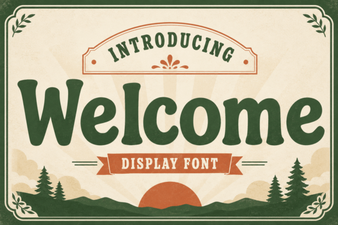 Welcome Fonts for Creative Web Design Projects
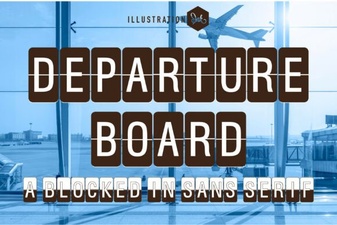 Create a Dynamic Departure Board with a Digital Font
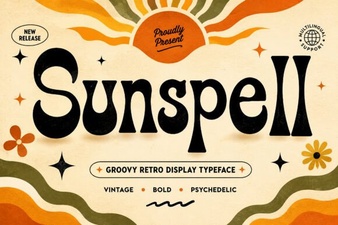 Sunspell Font: a Retro Display Typeface for Projects
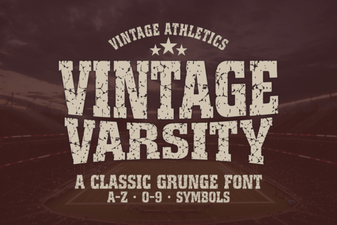 Unlock Retro Designs with Vintage Varsity Fonts
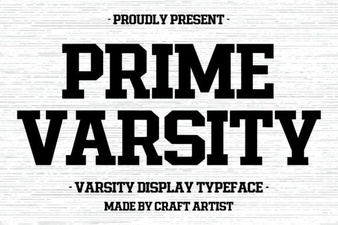 Prime Varsity Font for High-Performance Designs
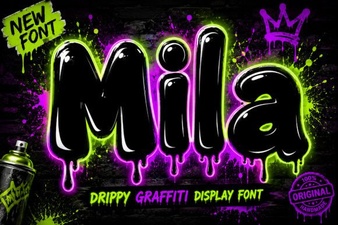 The Mila Font: Elegant Modern Typography for Designers