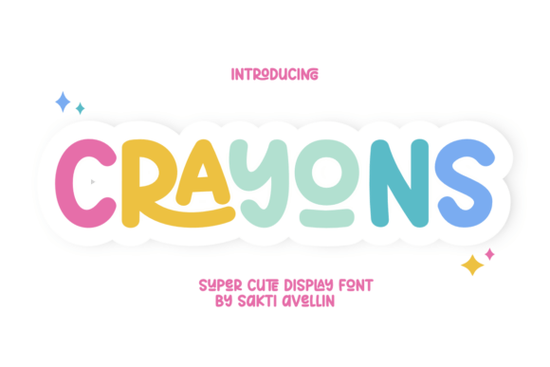
If you need a typeface that feels like it was drawn by hand with actual wax sticks, Crayons Font delivers exactly that. It is a display font built around thick, uneven strokes and rounded edges that mimic childhood artwork. Designers, print-on-demand sellers, and crafters often pick this style when they want a project to feel warm and approachable without looking cluttered.
What makes this crayon-style typeface stand out?
The charm comes from intentional imperfections. Instead of perfectly straight lines, you get subtle texture variations and slightly bouncy letterforms. This gives any layout a hand-drawn quality that digital fonts usually lack. The weight remains readable at medium sizes, but it truly shines when used for short headlines or focal text. Because the characters carry a playful rhythm, you rarely need extra decorative elements to make your design feel complete.
Which projects work best with a handwritten display font?
This style fits naturally into products that rely on personal connection. Here are a few reliable use cases:
- Greeting and birthday cards: The nostalgic stroke weight pairs well with pastel backgrounds.
- Baby shower invitations: Soft, rounded letters match nursery themes without looking overly childish.
- Print-on-demand apparel: T-shirts and tote bags benefit from bold, centered quotes.
- Home decor and accessories: Mugs, pillows, and frames look great with short phrases.
When setting up your files, leave breathing room around the letters. Tight tracking makes the uneven edges clash, while extra spacing keeps the hand-drawn illusion intact.
How do you pair it with other typefaces?
Display fonts with strong personality traits work best when balanced with quieter companions. You want the crayon style to lead the design while a secondary font handles the details. A clean sans serif or light serif usually does the trick. If you are browsing similar options for contrast, you might enjoy the geometric structure found in Mila or the athletic vibe of Prime Varsity. For projects that need a retro feel, you can also test combinations with Departure Board, while Comic Pop offers a different kind of playful energy that still respects hierarchy. When you are ready to grab the main typeface for your current batch, you can find Crayons Font directly through the marketplace. I also keep a quick reference folder linked to this typeface gallery for times when I need to test alternate layouts.
What should you check before downloading?
Not all handwritten typefaces include the same technical features, so a quick review saves time later. Look for these details before adding any font to your workflow:
- File formats: Ensure you get both OTF and TTF files for maximum software compatibility.
- Character set: Check for punctuation, numbers, and basic multilingual support if you sell internationally.
- Licensing terms: Verify whether the license covers print-on-demand platforms or physical products.
- Program compatibility: Test the font in your primary design software before starting a large batch.
I always type out a full sentence, adjust the kerning manually, and print a small proof before committing to production.
How do you prepare the files for print and production?
Hand-drawn display typefaces work best when you keep the surrounding layout simple. Stick to two fonts max, use high-contrast backgrounds, and avoid overcomplicating the composition. Before you launch your next product or send a card to print, run through this quick checklist:
- Set letter spacing slightly wider than default to preserve textured edges
- Limit the crayon style to headlines or phrases under eight words
- Pair with a neutral sans serif for body text and fine print
- Export a test print at full scale to check readability
- Confirm your commercial license covers your intended sales channel
Small adjustments to spacing and contrast usually make the difference between a decent design and one that sells consistently. Open your design software, apply the typeface to a draft layout, and run a quick physical proof before finalizing your files.
Explore Design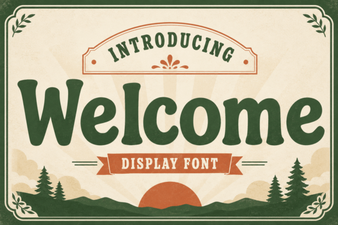 Welcome Fonts for Creative Web Design Projects
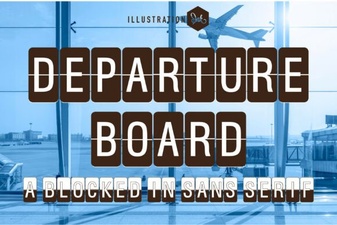 Create a Dynamic Departure Board with a Digital Font
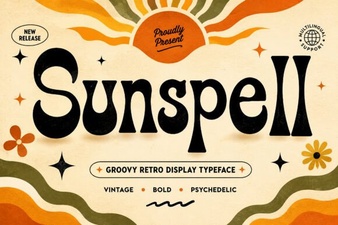 Sunspell Font: a Retro Display Typeface for Projects
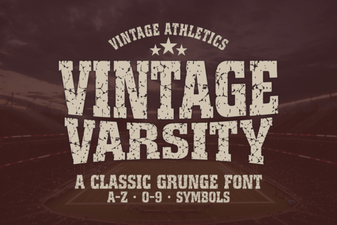 Unlock Retro Designs with Vintage Varsity Fonts
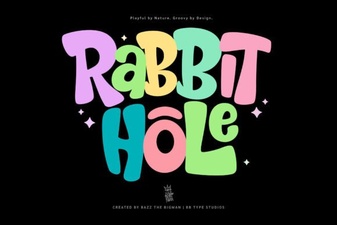 Rabbit Hole Font Design Projects & Tutorials
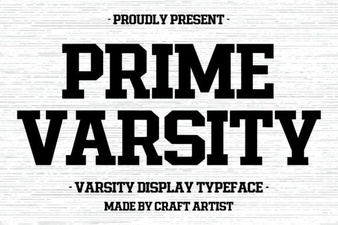 Prime Varsity Font for High-Performance Designs