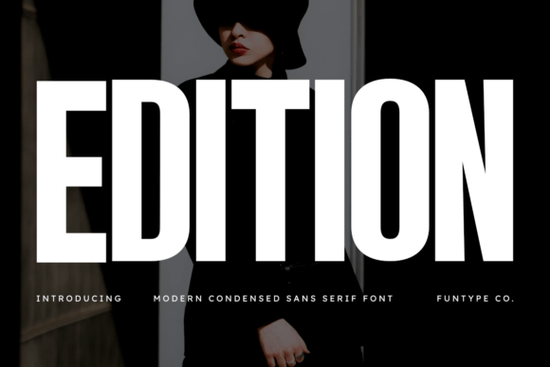
What makes an ultra-condensed sans serif useful for headlines?
Condensed typefaces solve a common layout problem: fitting strong words into tight spaces without shrinking the point size. When letters are drawn with a narrow stance and consistent stroke weight, they create a solid visual block that reads clearly from a distance. This approach works especially well for modern posters, event flyers, and digital banners where you want the text to feel confident but not overwhelming. If you are browsing other narrow options, you might also compare how Brisca Font handles spacing, or see how similar condensed styles behave in multi-line layouts.
Where does this typeface work best in real projects?
The clean geometry and tight proportions make it a reliable choice for high-impact advertising and branding assets. You will notice that the uniform strokes keep everything looking sharp, whether you are printing on matte cardstock or uploading a design to a merchandise platform. Crafters and hobbyists also appreciate how well narrow sans serifs cut on vinyl and heat transfer material, since the straight edges and minimal curves reduce weeding time. For a slightly heavier alternative, some creators test Bouldy Font when they need extra thickness, while others explore bold display options for thicker merch prints.
Print-on-demand and merch designs
When you are designing t-shirts, tote bags, or stickers, vertical space is usually easier to work with than horizontal space. A tall, narrow typeface lets you stack words cleanly without crowding the edges of your printable area. The consistent weight also translates well to screen printing and direct-to-garment methods, where thin lines can sometimes fade after washing. If you want to experiment with different moods, you can preview how Cultivo Font changes the vibe of a quote layout, or check modern sans serif pairings that keep your storefront looking cohesive.
Branding and promotional materials
Small businesses often need a single typeface that can handle social media graphics, sale banners, and packaging labels. A confident, condensed sans serif gives you that flexibility. You can use it for short announcements, limited-time offers, or product names that need to pop against busy backgrounds. The straightforward letterforms also scale down nicely for business cards and hang tags. When you are building a complete brand kit, it helps to review how Kohilo Font handles smaller text blocks, and you can browse clean supporting typefaces for body copy and disclaimers.
How to pair a tall, narrow font with other typefaces
Narrow display fonts work best when they carry the main message, while a wider or lighter font handles the details. Try pairing your headline with a simple geometric sans serif or a readable serif for subheadings and contact information. Keep the contrast clear: bold and condensed for the hook, regular or light for the explanation. Limit your palette to two or three typefaces so the layout stays focused. You can also adjust tracking slightly on the condensed letters to improve legibility at smaller sizes, but avoid stretching the font horizontally, which distorts the original design. For more layout ideas, you might review typography combinations that balance height and width effectively.
What should you check before downloading a new font?
Before adding any typeface to your toolkit, run through a quick practical check. Verify the license covers your intended use, especially if you plan to sell physical products or digital templates. Test the font at different sizes to see how the counters and spacing hold up. Type out punctuation, numbers, and special characters to make sure nothing is missing for your project. Finally, install the files correctly and restart your design software so the typeface loads without glitches. A few minutes of testing saves hours of rework later.
Quick next steps before you start designing:
- Confirm the commercial license matches your shop or client needs
- Print a small test sheet to check ink coverage and edge crispness
- Pair the condensed headline with a wider, lighter font for body text
- Adjust letter spacing by 10–20 units if stacking multiple lines
- Save a brand style note with your chosen sizes and color codes for future projects
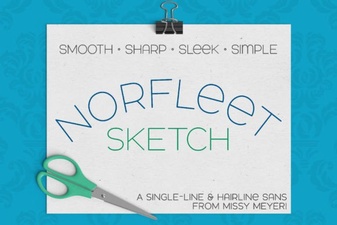 Single Line Font for Modern Design Projects
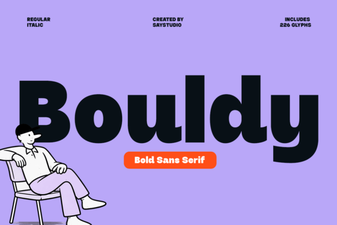 Bouldy Font: Creative Display for Modern Designs
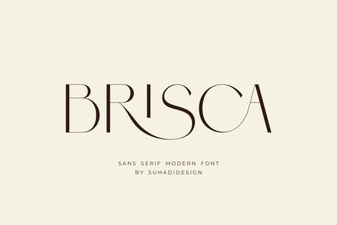 Brisca Font: Stylish Designs & Creative Projects
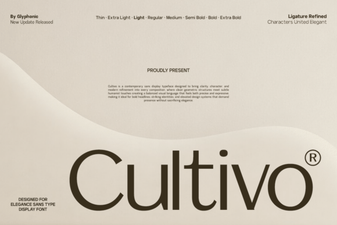 Cultivo Font: Enhance Designs with Organic Typography
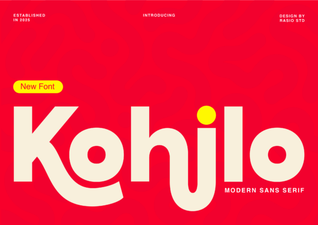 Kohilo Font: Creative Design Projects & Inspiration
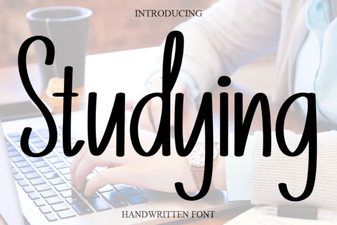 Best Fonts for Studying and Effective Learning Materials